This page is intended for medical professionals seeking evidence-based, clinical information on infant head shape abnormalities.
If you’re a parent visiting this page, please don’t worry if some of the content here feels technical – you are still very welcome to explore, or visit our blog for more accessible guidance.
Differential Diagnosis: Synostotic vs Non-Synostotic
The first step in managing an infant cranial deformity is determining whether the cause is synostotic (craniosynostosis) or non-synostotic (positional).
Synostotic (Craniosynostosis)
Characterised by premature closure of one or more cranial sutures, synostotic deformities often result in abnormal head shapes that can be severe or syndromic in nature. These require surgical assessment and potential intervention. Our craniofacial surgeons are highly experienced in diagnosing these cases.
Non-Synostotic (Positional Plagiocephaly)
More common and benign in origin, positional deformities arise from pressure on the skull – including intrauterine constraint, torticollis, or supine sleeping position (as recommended to reduce SIDS risk). These typically present as a parallelogram-shaped skull (seen from above), as opposed to the trapezoidal shape seen in craniosynostosis.
Key Clinical Indicators
Flattened occiput (typically unilateral)
Anterior displacement of the ipsilateral ear
Frontal bossing on the contralateral side
Facial asymmetry (in more severe cases)
Associated torticollis or neck stiffness
Diagnostic Considerations
Clinical diagnosis is usually sufficient in cases of positional deformity; imaging is rarely required. Refer for specialist assessment if:
Head shape appears abnormal despite repositioning attempts
There’s evidence of delayed or unusual suture fusion
Deformity is severe or progressing
TreatmentPathways
Early Repositioning and Physiotherapy
For infants under 6 months with mild to moderate deformities:
Repositioning strategies can help improve head shape (e.g., encouraging tummy time, alternating head position during sleep).
Physiotherapy is essential if torticollis or muscular imbalance is present, to reduce functional restriction and allow for symmetrical growth.
Cranial Helmet Therapy
For infants with moderate to severe plagiocephaly (particularly with skull base asymmetry):
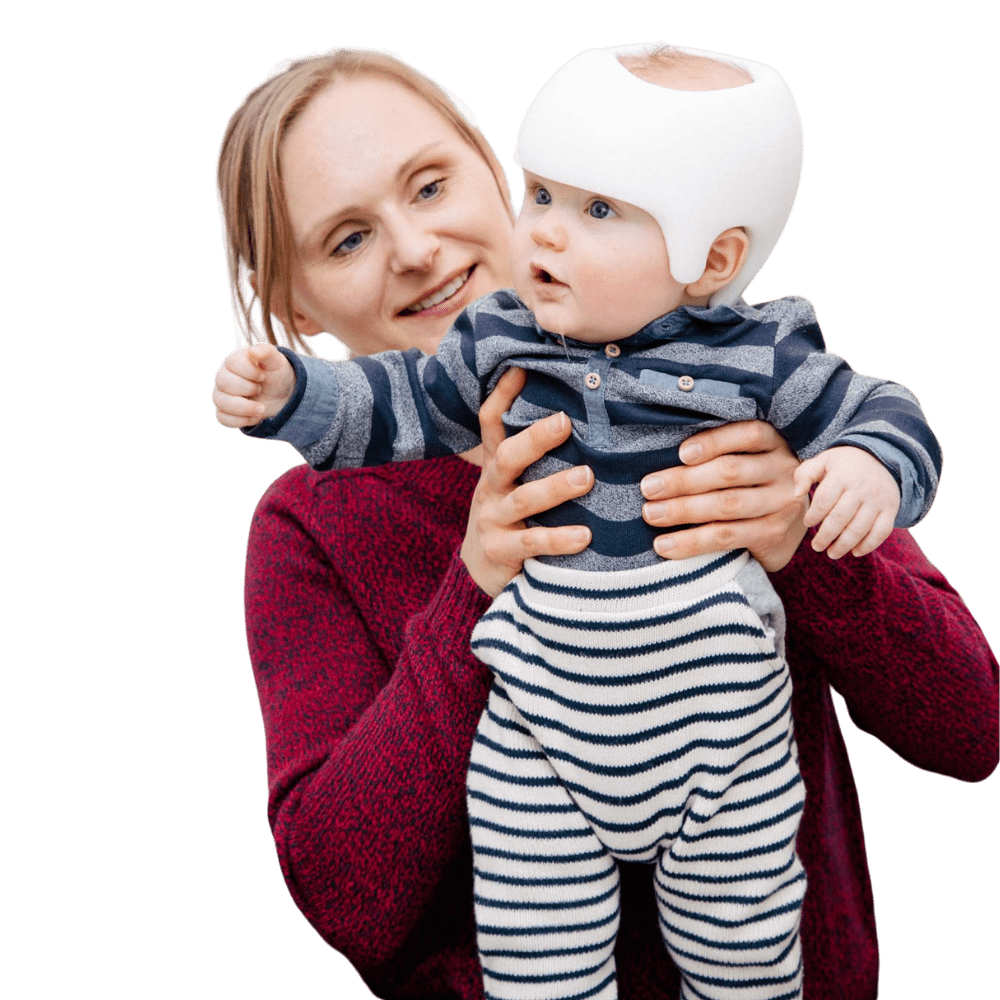
Helmet therapy is most effective between 4–12 months, ideally beginning around 4–5 months.
The orthosis gently guides skull growth by allowing expansion in flattened regions while stabilising growth in prominent areas.
Helmets do not restrict overall cranial growth; percentile tracking remains consistent throughout treatment.
Surgical Intervention
In confirmed cases of synostosis, early surgical correction (often within the first year of life) is indicated to:
Allow unrestricted brain growth
Restore skull symmetry and function
Prevent neurodevelopmental complications in syndromic cases
When to Refer
Regardless of the individual presentation, early identification and referral (where necessary) are key to optimal outcomes. Please consider referral to our clinic if:
Positional plagiocephaly does not improve with conservative measures by 4 months
The family is seeking a second opinion on helmet therapy
You are unsure whether the asymmetry is pathological
Referrals are accepted from GPs, health visitors, paediatricians, physiotherapists, and osteopaths. We also welcome direct parent inquiries.
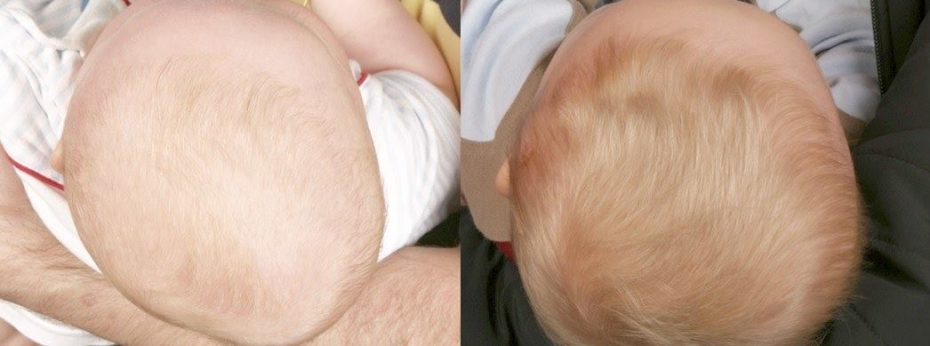
Depending on a variety of factors (including age), helmet therapy may not be right for every child – where it is, early intervention significantly improves the baby’s head shape and overall symmetry.
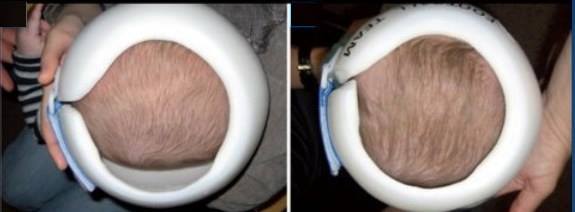
Before & After
Before & After
Before & After
Before & After
TheAhead4Babies Approach
Led by experienced surgeons specialising in craniofacial deformity, we provide:
Non-invasive diagnosis and treatment planning
Custom helmet fitting and monitoring
Close liaison with referring clinicians
Continuity of care and long-term outcomes tracking
Each child is assessed individually. Our treatment plans can be developed collaboratively with parents and referrers, and we ensure regular follow-ups to monitor progress.
Founder of Ahead4Babies, Mr Blecher is a highly experienced craniofacial and maxillofacial surgeon treating patients across Europe.
Christoph Huppa
Dr Huppa, a dual-qualified surgeon, specialises in craniofacial deformities and cleft conditions, with extensive international training and expertise.
Philip Daniel Stenhouse
Dr Stenhouse, a Consultant Maxillofacial Surgeon, excels in managing craniofacial deformities, guiding surgical trainees, and advancing patient care.
Ági Kertész
Practice manager and plagiocephaly prevention coach Ági Kertész leads a skilled team of administrators and front-line staff coordinating every aspect of the patient experience.
17 Harben Parade, Finchley Rd, South Hampstead, London NW3 6JP, UK
FAQs For Clinicians
Is helmet therapy safe?
Yes. It is a non-invasive treatment with a high safety profile. Helmets are custom-made and adjusted regularly. They do not restrict overall head or brain growth.
What if a parent wants to self-refer?
We welcome self-referrals. We will assess the infant and provide a clear clinical report. With consent, we’re happy to share findings with their GP or paediatrician.
How long does helmet therapy last?
Treatment duration typically ranges from 3 to 6 months, depending on age at start, severity of asymmetry, and compliance. Earlier initiation often results in shorter treatment.
Are there risks of skin irritation or discomfort?
Minor skin redness may be seen, especially during the initial acclimatisation period, but is usually transient. Our surgeons custom-fit each helmet, and are able to adjust the fit precisely for each infant.
At what age is helmet therapy no longer effective?
Helmet therapy is most effective between 4–12 months, while the skull is still highly malleable. While most helmet providers are unable to offer treatment beyond 14 months due to decreased cranial plasticity, Ahead4Babies’ proprietary, surgeon-designed helmets have shown good results in infants starting as late as 18 months old.
Can physiotherapy alone correct the deformity?
In mild to moderate cases – especially when torticollis is present – physiotherapy and repositioning can lead to good outcomes if started early (ideally before 4 months). More severe or persistent asymmetries may require orthotic support.
Do you accept referrals from physiotherapists or health visitors?
Yes. We accept referrals from a wide range of health professionals including GPs, physiotherapists, paediatricians, osteopaths, and health visitors. No formal referral letter is required.