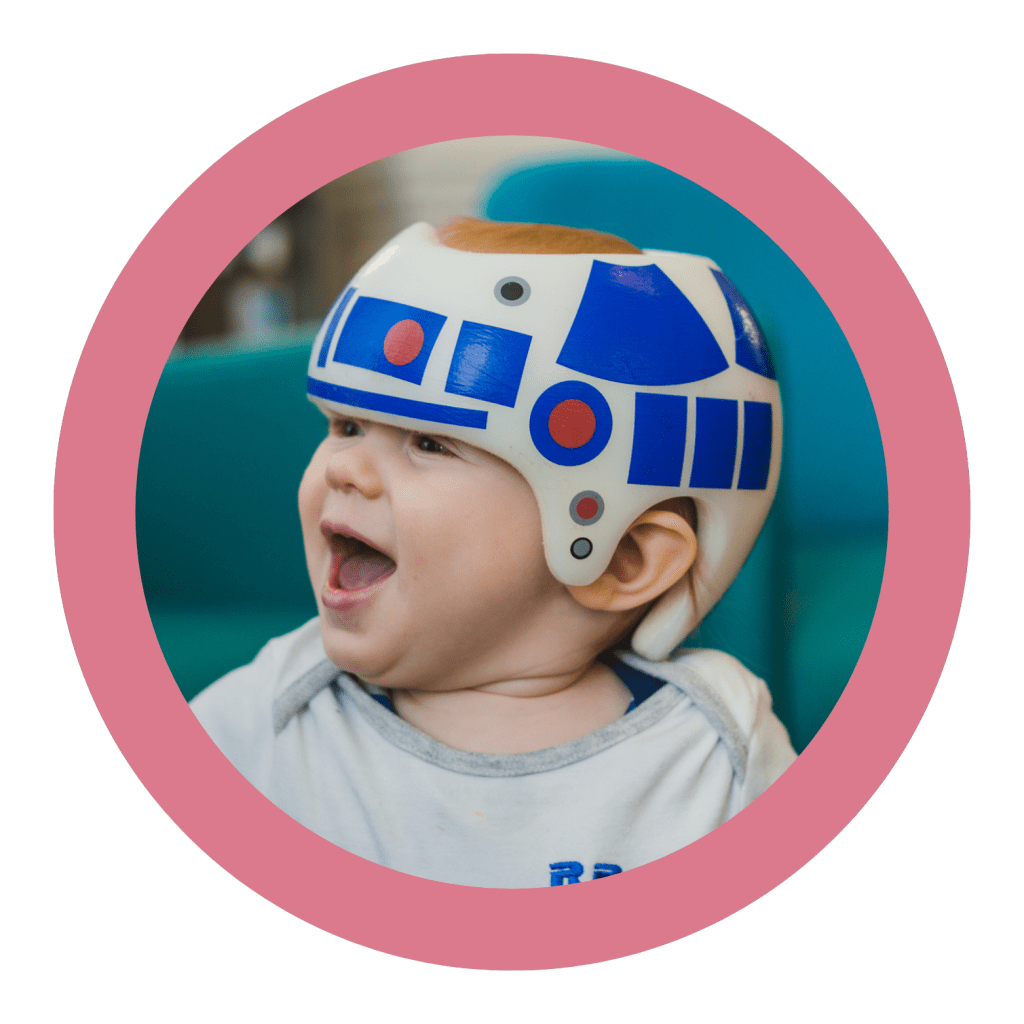
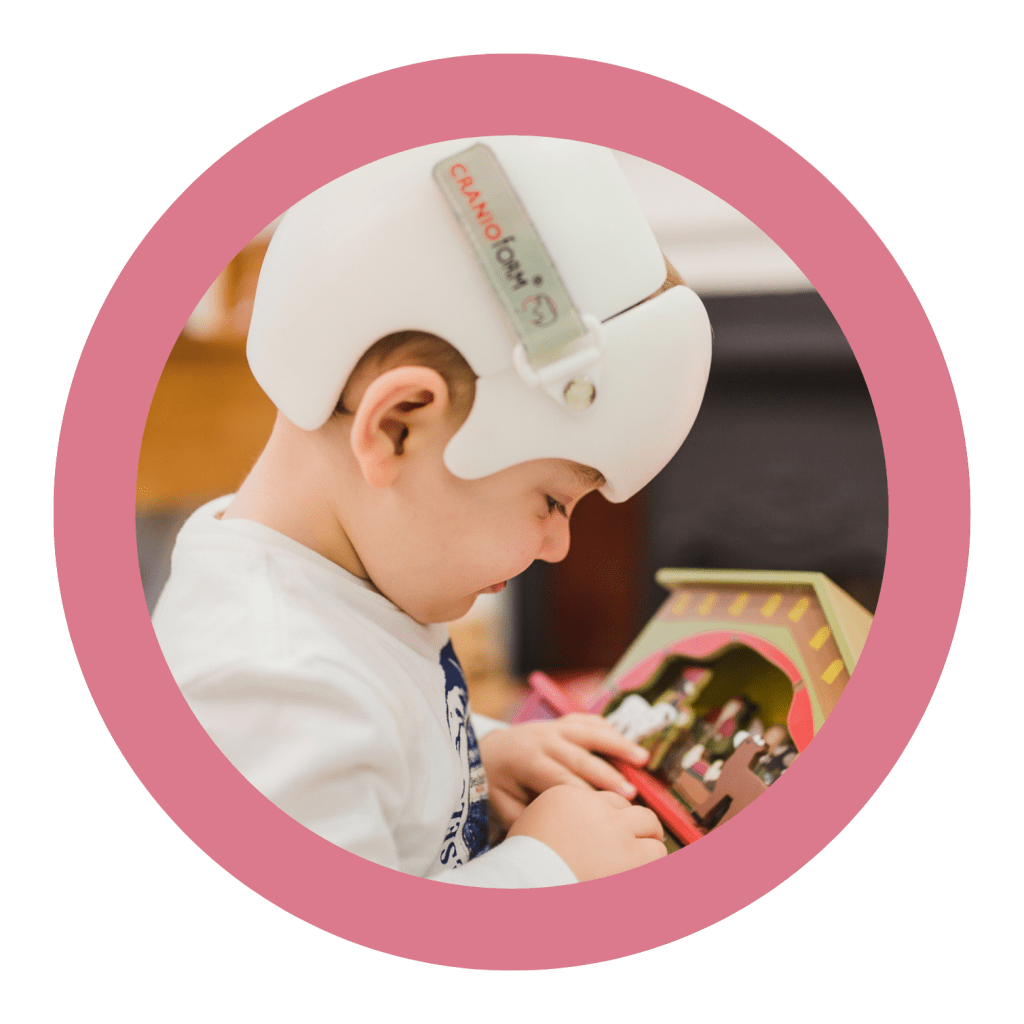
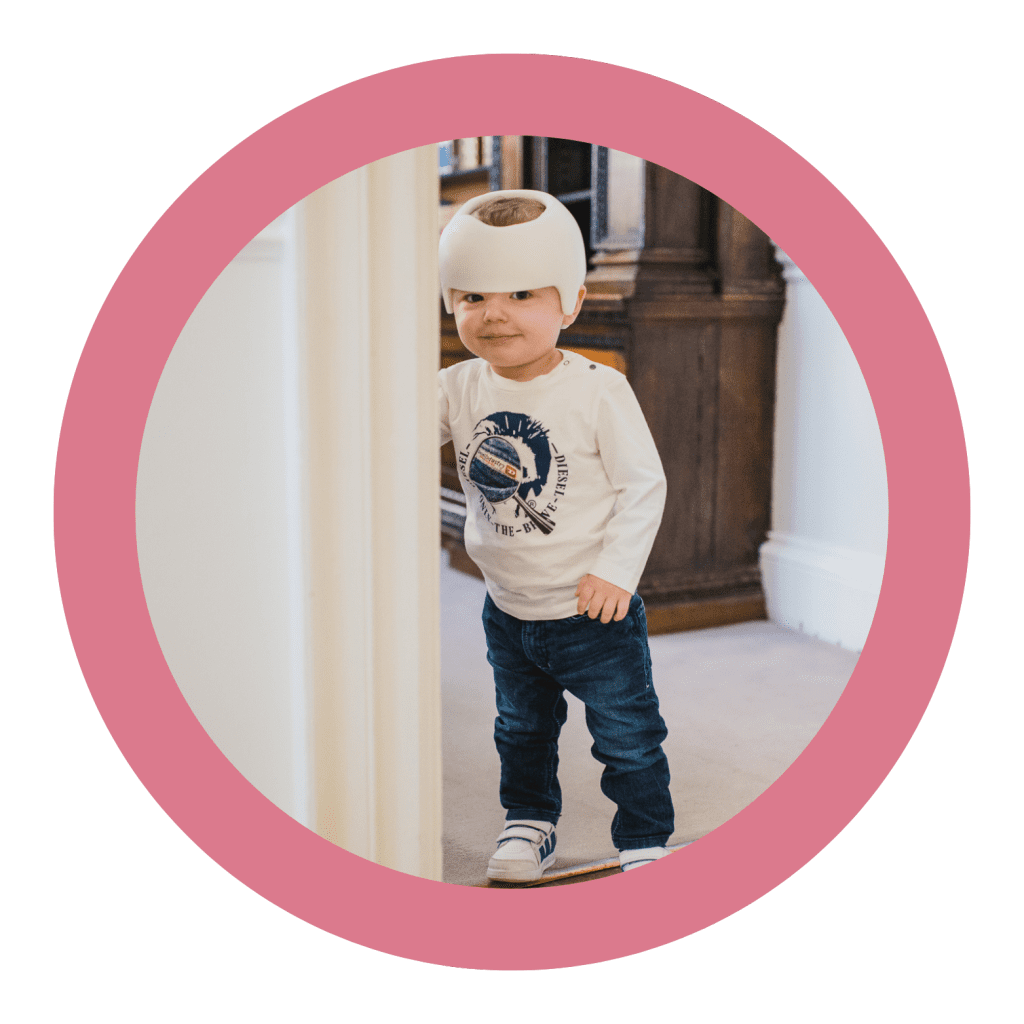
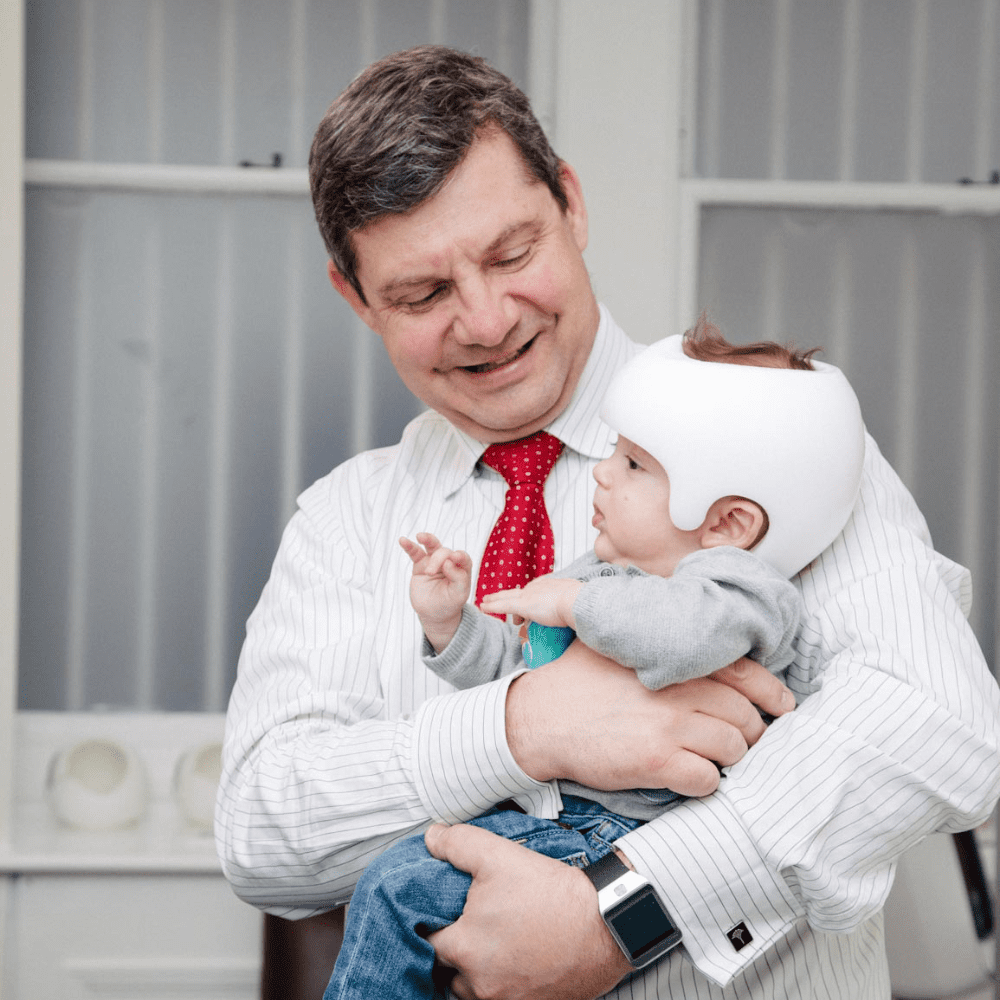
Bespoke Cranial Helmet Therapy For Your Little One
Perfect Heads For Perfect Babies
Purely Cosmetic Treatment
/ No Surgery, Pressure, Or Pain
Here at Ahead4Babies, we offer compassionate, expert care for plagiocephaly and brachycephaly: cosmetic conditions that can affect your baby’s head shape.
Using clinically proven Cranioform orthotic helmets, our non-invasive treatments gently reshape your baby’s head, guiding growth for a bright, confident future.
As the UK’s only clinic solely focused on baby helmet therapy, we’re with you every step of the way with warmth, honesty, and expertise.
Ahead4Babies is the UK’s only clinic solely dedicated to diagnosing and treating misshapen baby heads.
Conditions like plagiocephaly and brachycephaly, or their combination, are purely cosmetic and do not affect brain development. However, early assessment is vital – especially for babies under six months – when preventative exercises may be recommended, and helmet therapy can be avoided altogether.
While flat-head syndrome isn’t itself dangerous, our expert clinicians ensure accuracy in diagnosis; confidently ruling out rare but serious conditions such as craniosynostosis. Ahead4Babies has 30+ years experience treating flat-head syndrome in the UK, Germany, Switzerland, and across Europe.
Trusted By
Thousands Of Parents
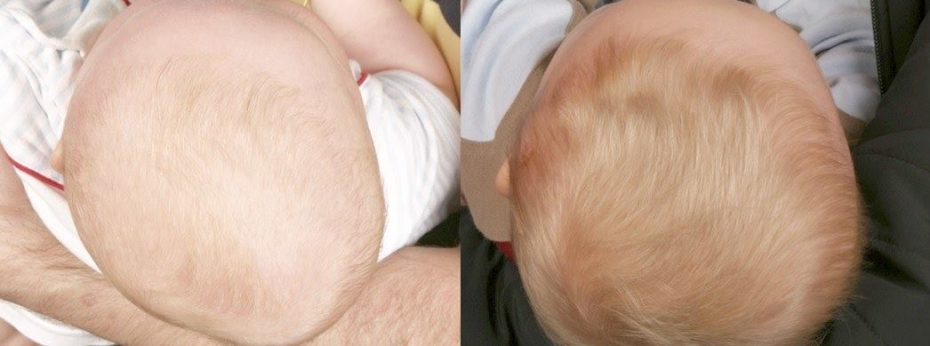
Before & After
Before & After
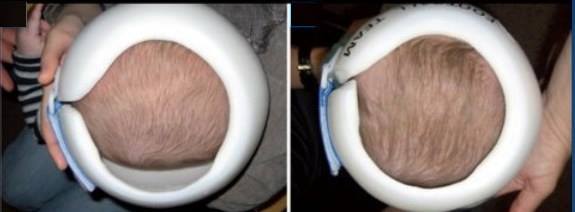
Before & After
Before & After
The Ideal Treatment Age
For Treatment of Flat - Head Syndrome
0 - 4
Months
4 - 6
Months
6 - 12
Months
12 - 20
Months
The optimal period for repositioning + prevention.
Helment therapy may not be necessary.
The ideal time to start helmet therapy.
Repositioning may still be effective, depending on individual head shape.
Helmet therapy may still be the best treatment.
Repositioning is rarely effective at this age, but may still be considered.
Not all head shape abnormalities require helmet therapy. Early repositioning and neck exercises are often effective within the first 6 months. If assessed before 4 months, 70% of babies can improve without a helmet. Our expert repositioning coach, Agi, provides clinically-evidenced preventative advice, and our team is capable of diagnosing much more serious conditions like craniosynostosis.
Ultimately, repositioning techniques can significantly improve head shape up to 5–6 months of age, meaning many avoid the need for helmet therapy entirely. Upload photos of your baby’s head here to get an initial assessment.
Timing
A baby’s rapid head growth has a huge influence on the effectiveness of helmet therapy, and so visiting the clinic early – before 5 months, or ideally much sooner – is crucial.
Babies aged 2–3 months can often improve head shape without the need for helmets; at 4 months, it is more challenging (especially if the baby is rolling), but it is still possible; by 5 months, success exclusively through repositioning is rare, and beyond 6 months, helmet therapy is the best option. Timely assessment ensures the best possible outcome for guiding your baby’s skull to a more symmetrical shape.
Assessment
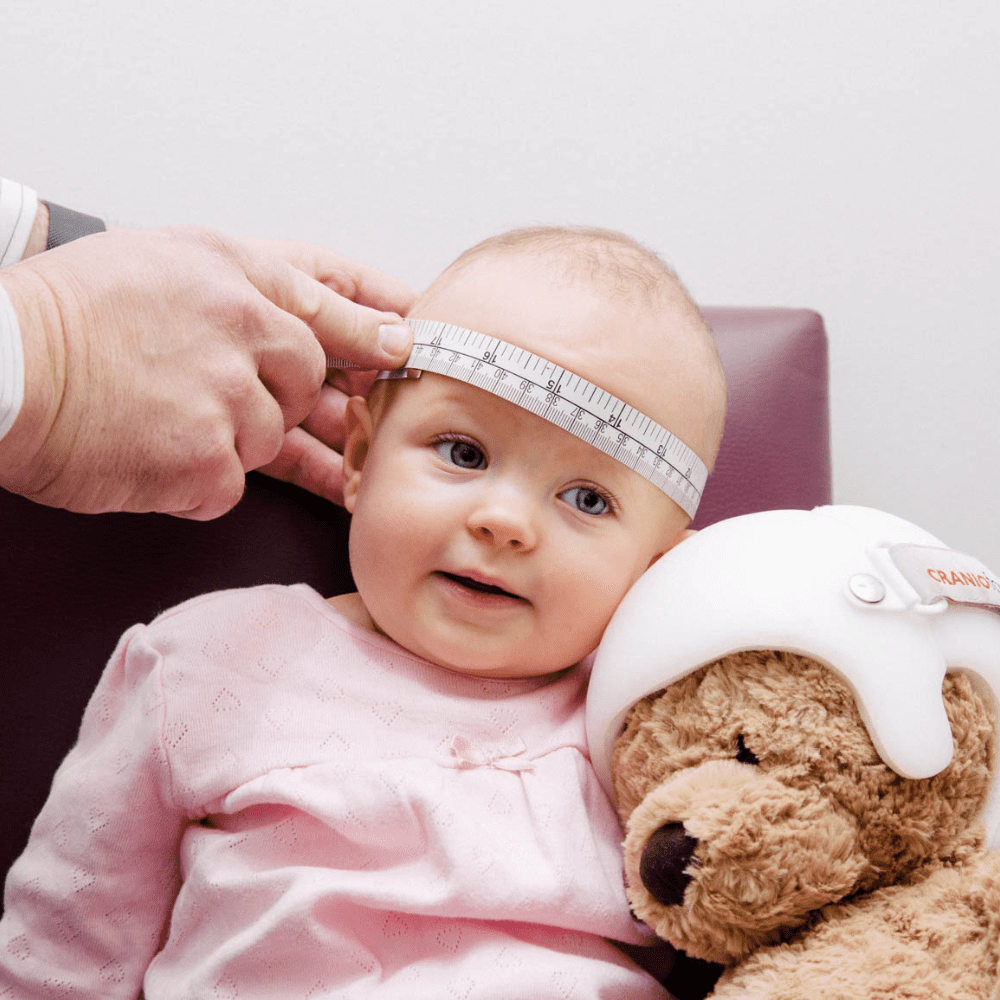
For babies with asymmetry below 1cm, depending on their age, repositioning is typically effective. With asymmetry between 1–2cm, helmet therapy might be recommended, especially for babies over 4 months old. In cases of more than 2cm asymmetry, the case for helmet therapy becomes more pertinent; in cases like these that is typically what our clinicians would advise. Our clinic is equipped with precise diagnostic tools to assess your baby’s condition and determine the most appropriate course of action.
Treatments
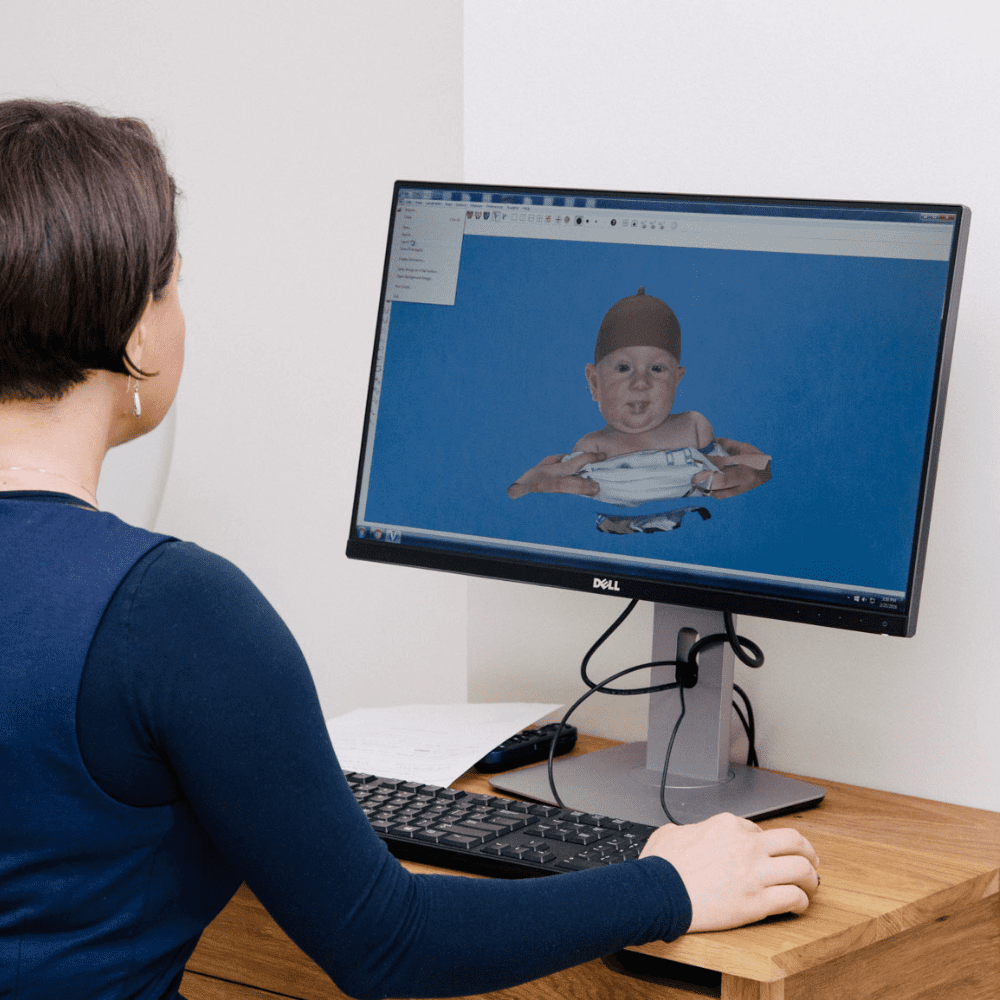
Treatment starts with ruling out more serious health conditions, such as craniosynostosis, and performing Canfield Vectra 3D imaging. The helmet is worn 23 hours per day, with 3–4 follow-up appointments over 2–6 months.
Improvements can often begin to show within just a few weeks; babies under 7 months usually improve approximately 50% in 2-3 weeks. Treatment can be as short as 8-12 weeks if it is begun at 4 months, effectively guiding the skull to a more symmetrical shape, while improving forehead asymmetry and ear alignment.
Costs
Photo assessments are free, and we offer a limited number of complimentary initial assessments, on a first-come, first-serve basis. If pre-paid, assessments can be booked with Mr Stenhouse to discuss any cranial issues without a photo review.
Full treatment costs £2,500, with payment by monthly instalments available. Costs include all appointments, regardless of duration, or whether a second helmet is needed (extremely unlikely). Financial assistance is accessible through Headstart4Babies, JustGiving, and Tree Of Hope. Ultimately, our aim is to make this life-enhancing treatment accessible for all families.
Book a Clinical Assessment Today
*A limited number of free assessments are available, based on a review of your baby’s head photos. If pre-paid, you can book a clinical assessment without uploading photos.
Flat-head syndrome, which includes plagiocephaly and brachycephaly, is typically caused by repeated pressure on a baby’s skull. This can occur if a baby consistently favours one side while lying down, their position in the womb, pregnancies with multiples, extended time lying on their back, or due to conditions like Torticollis.
Flat-head syndrome is purely cosmetic and does not affect brain development. However, part of our assessment process involves ruling out more serious conditions like craniosynostosis or hydrocephalus, which require more complex interventions.
With NHS waiting lists stretching many months into the future, our expert team ensures early evaluation and, if necessary, supports craniosynostosis monitoring. For positional flat-head syndrome secondary to craniosynostosis, repositioning techniques remain a helpful treatment under our consultant surgeons’ guidance.
TheCranioform Helmet
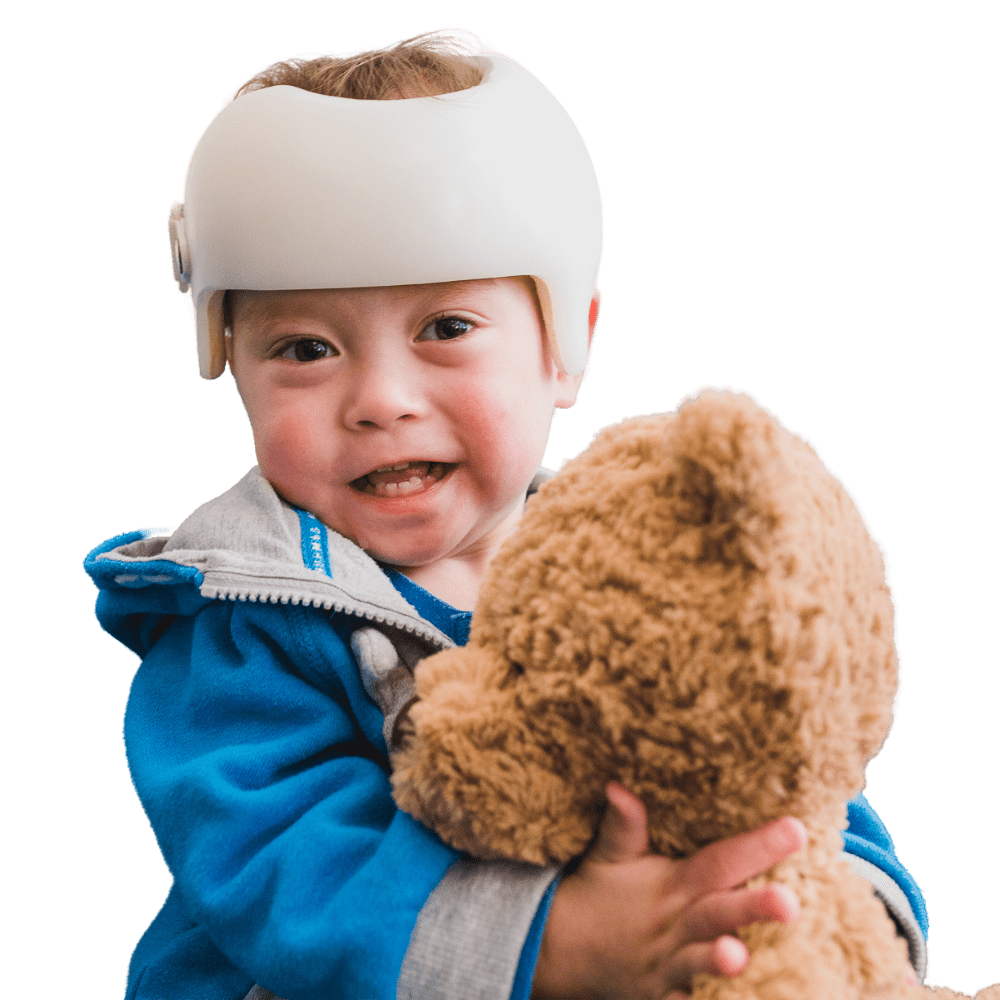
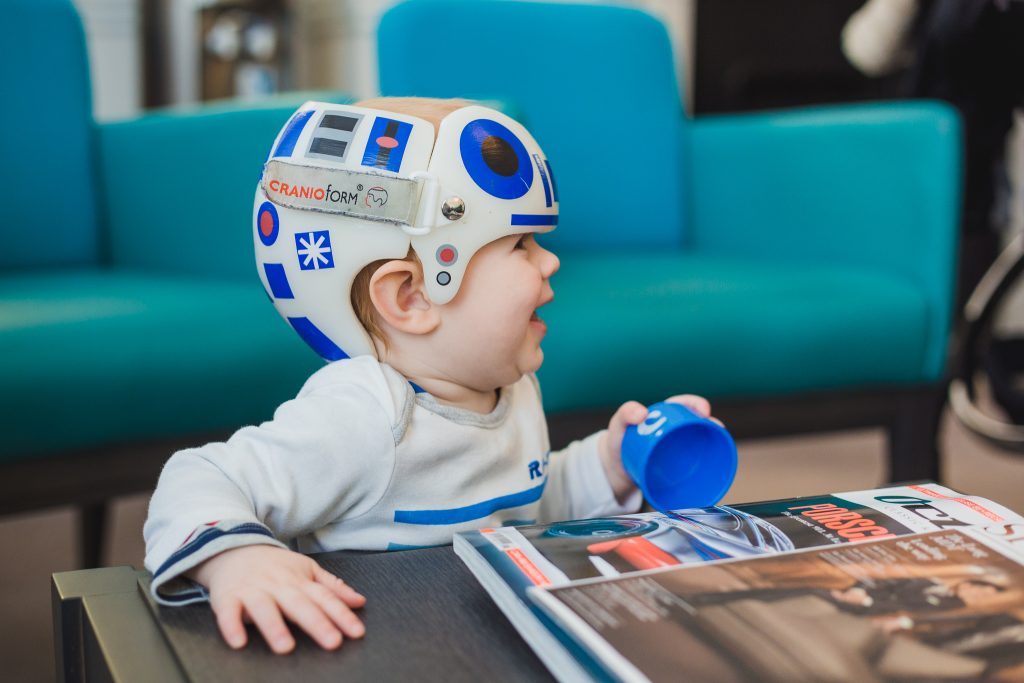
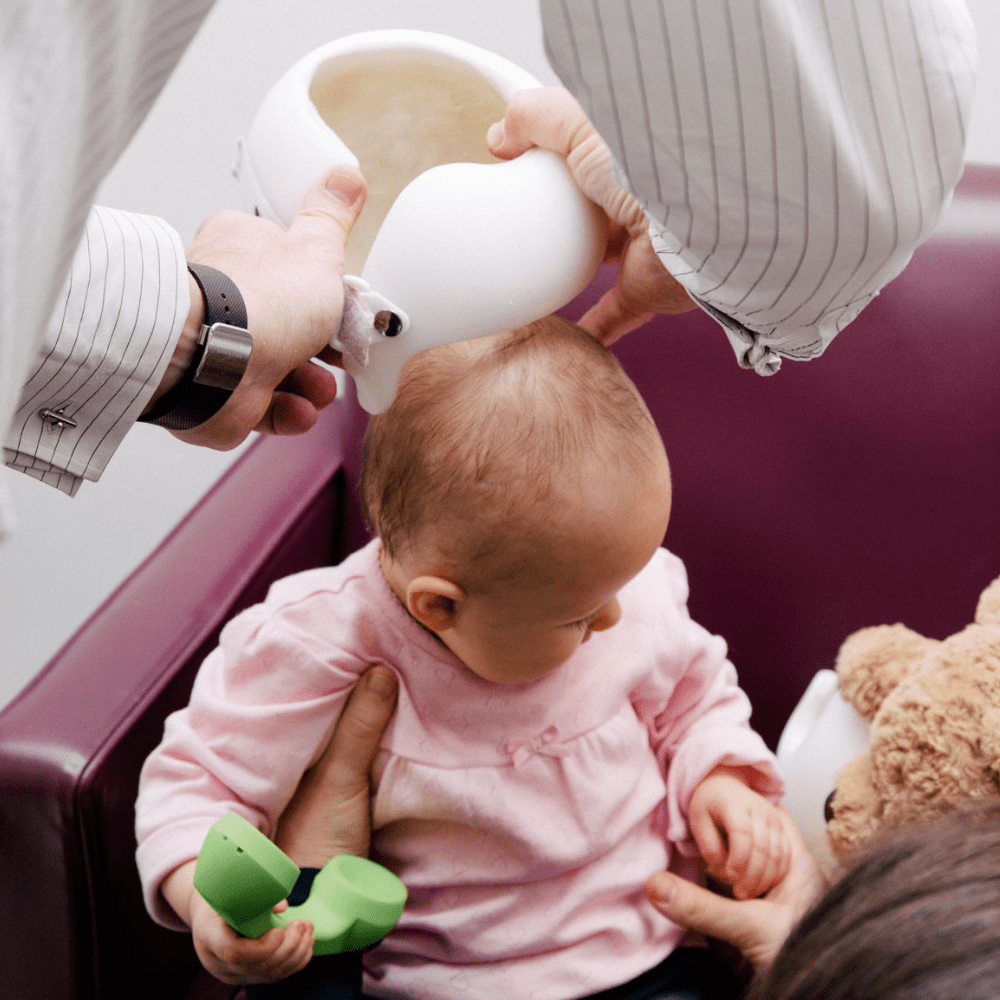
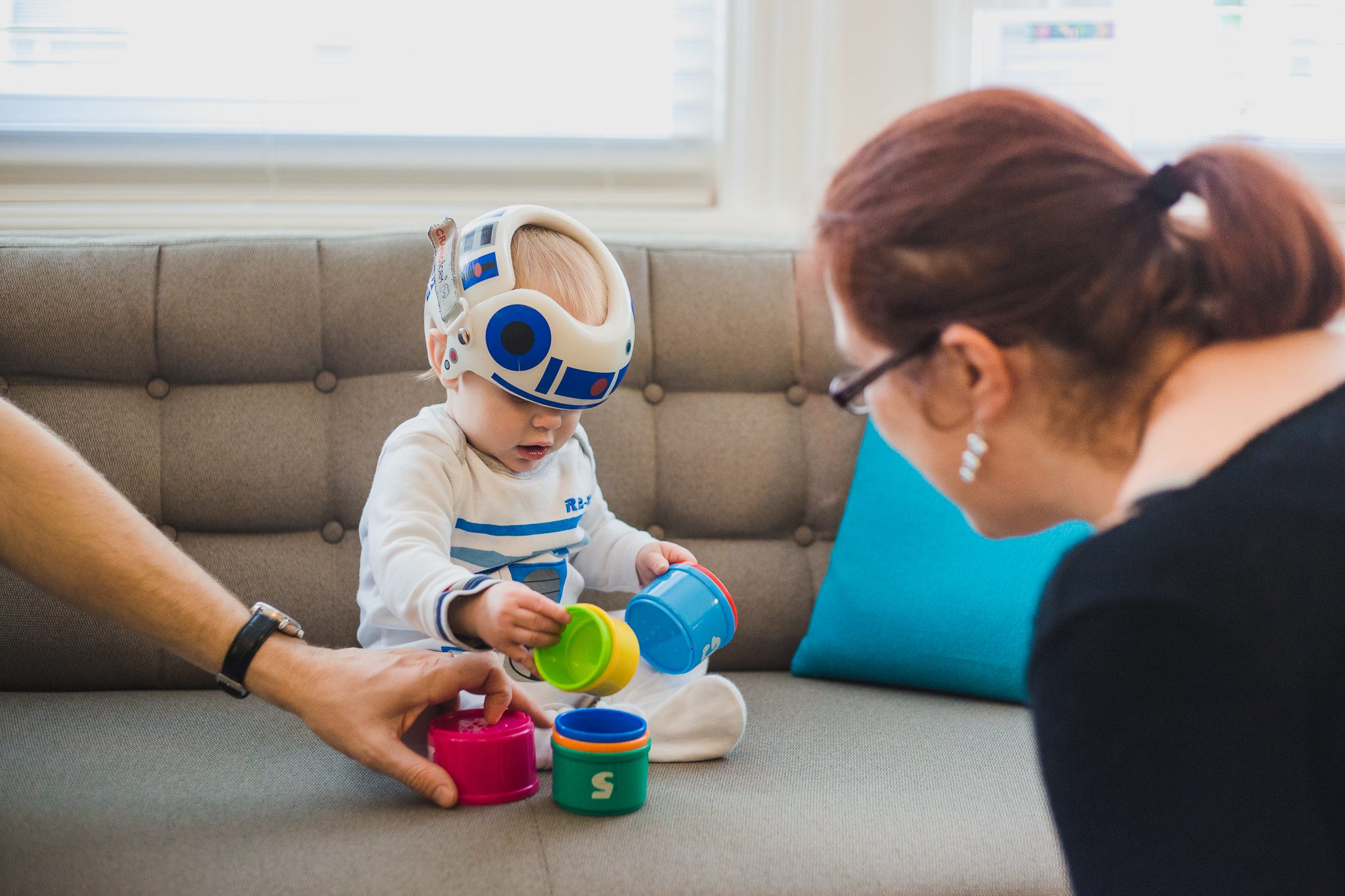
Our Cranioform orthotic helmet is custom-made to treat flat-head syndrome, including plagiocephaly, brachycephaly, or a combination. Worn comfortably for 23 hours a day, it’s completely painless, gently guiding the skull to a more symmetrical shape.
Its precise design mimics the sensation of a gentle touch from a human hand, aiding in calm and deeper sleep – in fact, many parents report improved sleep quality when the helmet is worn. Created by surgeons and crafted with German engineering, it’s a safe, effective solution to help guide your baby’s growth.
How OurCranial Helmets Work
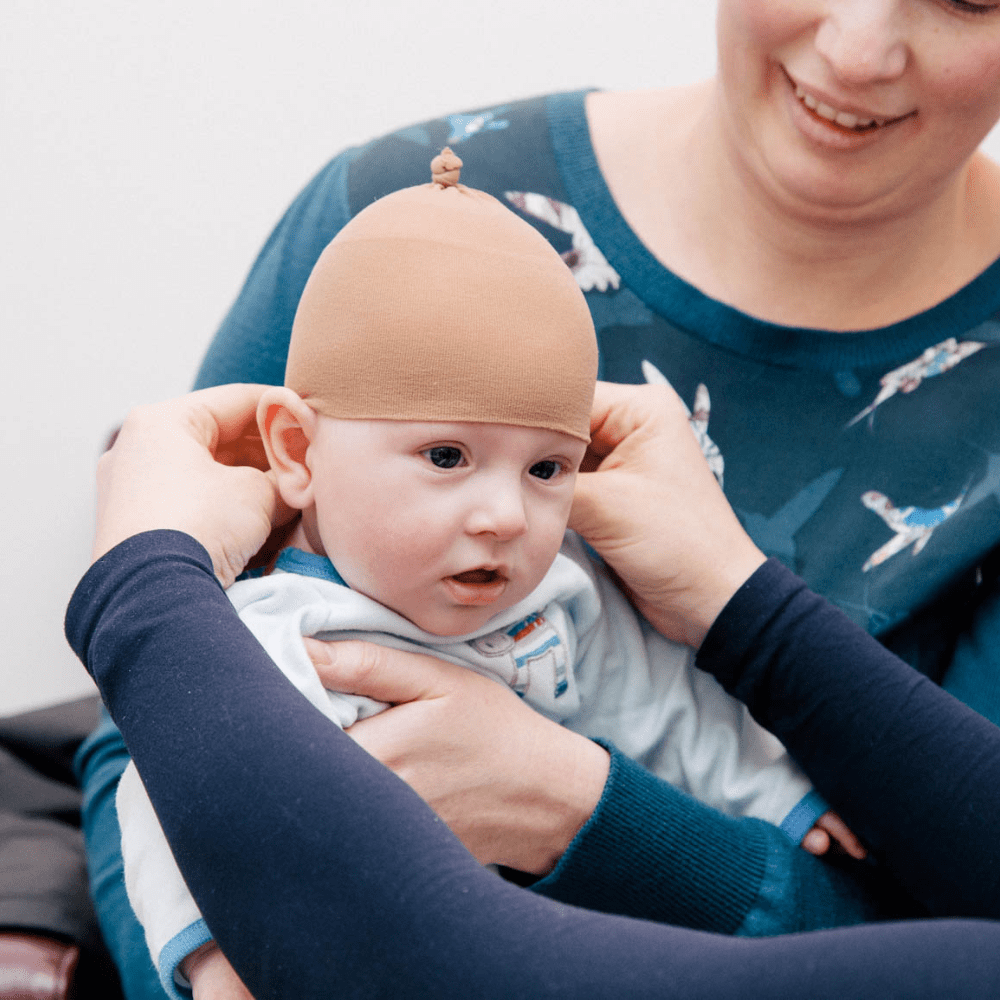
Our Cranioform helmet is expertly crafted with advanced German engineering. The process begins with precise Canfield Vectra 3D Imaging to map your baby’s head shape – the data is digitally designed, measured, and optimised for symmetry.
Using 3D printing, the helmet is custom-built for a perfect fit. It’s then carefully adjusted during fitting appointments to ensure the most effective, comfortable treatment.
“We just wanted to say again a huge thank you for everything you have done for Charlie. When we came to you, we felt we were fighting against the current just to get anyone to acknowledge what we instinctively felt – that Charlie’s head shape would not improve on its own, and that he needed help.”
Charlie
“Dear Dr Blecher We are due to meet with you on Sunday 8th July but I just wanted for you to see the before and after photos of Alfie, the most recent was taken about a week and a half ago. As you would expect, we are delighted!”
Here at Ahead4Babies, our team of experienced clinicians ensures the highest standard of care for every family. We prioritise each baby’s individual needs, even if that means recommending alternative treatments when helmet therapy isn’t necessary. Our established medical standing is supported by a dedication to research and collaboration. GPs, physiotherapists, and paediatricians can learn more on the Our GPs page, and our research contributions are available online below.
Founder of Ahead4Babies, Mr Blecher is a highly experienced craniofacial and maxillofacial surgeon treating patients across Europe.
Christoph Huppa
Dr Huppa, a dual-qualified surgeon, specialises in craniofacial deformities and cleft conditions, with extensive international training and expertise.
Philip Daniel Stenhouse
Dr Stenhouse, a Consultant Maxillofacial Surgeon, excels in managing craniofacial deformities, guiding surgical trainees, and advancing patient care.
Ági Kertész
Practice manager and plagiocephaly prevention coach Ági Kertész leads a skilled team of administrators and front-line staff coordinating every aspect of the patient experience.
17 Harben Parade, Finchley Rd, South Hampstead, London NW3 6JP, UK
FAQs
How common is plagiocephaly?
Positional plagiocephaly is surprisingly common, with studies suggesting nearly 1 in 2 babies may experience it. The rise in cases has been linked to the “Back to Sleep” campaign, which encourages babies to sleep on their backs.
Why should I treat flat-head syndrome?
While primarily cosmetic, untreated flat-head syndrome can cause psychosocial challenges, as children may face teasing due to their head shape; equally, parents may choose to treat flat-head syndrome due to cultural considerations. It’s worth noting that, although rare, severe cases can lead to bite anomalies due to asymmetrical jaw growth.
How does the helmet correct head shape?
The custom-made orthotic helmet gently guides growth by allowing flattened areas to expand – over time, this creates a more symmetrical head shape.
Does helmet therapy restrict brain growth?
No, helmet therapy does not restrict brain growth. Head development continues naturally along the normal growth curve throughout treatment.
What is the ideal age to start treatment?
Early intervention, such as repositioning and physiotherapy, can correct mild deformities before 6 months of age. For moderate to severe cases, helmet therapy is most effective when started between 4 and 6 months. By 12 months, spontaneous correction is unlikely, and treatment may have limited results.
How long does helmet therapy take?
Treatment typically lasts around 6 months for moderate deformities but can vary based on age, severity, and helmet design. Younger babies tend to require shorter treatment times due to faster growth rates.
Will my baby adjust to wearing a helmet?
Yes, babies usually adapt quickly, especially younger ones. Helmets are custom-fitted and comfortable, though they may make your baby feel slightly warmer – so some parents dress babies more lightly when wearing the helmet, for instance.
Does the NHS or private insurance cover helmet therapy?
Helmet therapy is usually not covered by the NHS, though some families have received funding on a case-by-case basis. Some private insurers may reimburse consultation fees but not helmet costs. We’d advise checking with your insurer for details.